Mission Statement & Strategic Priorities
The Mission Hill Health Movement (MHHM) was founded in the 1960s. At that time, the neighborhood was adjacent to some of the best medical facilities in the world, yet many residents did not have access to regular health care. Hospitals and medical institutions were buying homes and property anonymously in the area to expand their facilities into our residential neighborhood.
From 1968 to 1970, when it was founded (in July 1970), MHHM acted as the Community Health Committee of Parker Hill-Fenway Area Planning Action Committee (APAC), through the local office of the Action for Boston Community Development (ABCD), when it negotiated with the US Department of Health and Human Services and the Harvard Community Health Plan (HCHP) for neighborhood-based coverage by Harvard Community Health Plan. That agreement included the first Medicaid/Medicare HCHP eligibility with sliding scale premiums for Mission Hill residents, and a local primary care outreach/advocacy office with its neighborhood residents in meaningful staff positions. It was instrumental in founding the Fenway Community Health Center. It conducted with neighborhood staff a neighborhood-based door-to-door lead paint testing program and coordinated with the Boston Department of Health and Hospitals (DHH),[33] later (after a series of complex mergers), the Boston Public Health Commission, to offer the first neighborhood-based free flu shots for elderly. It helped establish at Hennigan School a preschool program integrating special needs students into mainstream classes and set up for Mission Hill children the "SWISH" school-based dental care program with fluoride rinses, scheduling Mission Hill 'Swish Moms' to work with and assist Harvard Dental School staff.
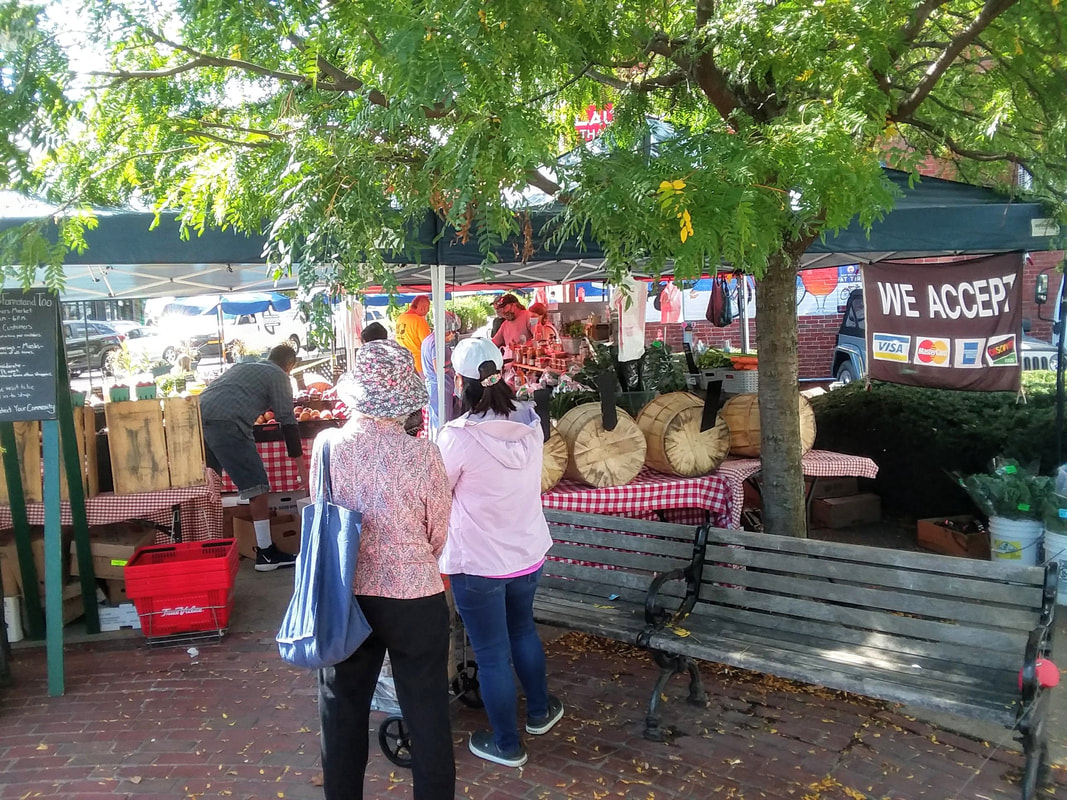
Current MHHM Programs include: Seasonal Farmers Markets at Roxbury Crossing subway station on the Orange Line, and Brigham Circle trolley station on the E Green Line; the Gore St Community Garden; Mission Hill Walks! (Walking Group); Video-What I want my Doctor to Know (Filming Summer 2023); COVID 19 response with facemasks and food support; and Annual Mission Hill Health and Wellness Fair.
Now, as a 501c non-profit organization, the MHHM works to ensure a livable environment and a healthy quality of life for all our residents. The MHHM addresses the broad issues which affect its neighborhood and to improve the quality of health in Mission Hill.
In 2017, the MHHM Board adopted the following mission statement:
The Mission Hill Health Movement strives to improve the health of Mission Hill Residents and the Community through partnerships, collaborations, education and health and wellness activities and programs.
The MHHM focuses on 4 major areas:
The Mission Hill Health Movement (MHHM) was founded in the 1960s. At that time, the neighborhood was adjacent to some of the best medical facilities in the world, yet many residents did not have access to regular health care. Hospitals and medical institutions were buying homes and property anonymously in the area to expand their facilities into our residential neighborhood.
From 1968 to 1970, when it was founded (in July 1970), MHHM acted as the Community Health Committee of Parker Hill-Fenway Area Planning Action Committee (APAC), through the local office of the Action for Boston Community Development (ABCD), when it negotiated with the US Department of Health and Human Services and the Harvard Community Health Plan (HCHP) for neighborhood-based coverage by Harvard Community Health Plan. That agreement included the first Medicaid/Medicare HCHP eligibility with sliding scale premiums for Mission Hill residents, and a local primary care outreach/advocacy office with its neighborhood residents in meaningful staff positions. It was instrumental in founding the Fenway Community Health Center. It conducted with neighborhood staff a neighborhood-based door-to-door lead paint testing program and coordinated with the Boston Department of Health and Hospitals (DHH),[33] later (after a series of complex mergers), the Boston Public Health Commission, to offer the first neighborhood-based free flu shots for elderly. It helped establish at Hennigan School a preschool program integrating special needs students into mainstream classes and set up for Mission Hill children the "SWISH" school-based dental care program with fluoride rinses, scheduling Mission Hill 'Swish Moms' to work with and assist Harvard Dental School staff.
Current MHHM Programs include: Seasonal Farmers Markets at Roxbury Crossing subway station on the Orange Line, and Brigham Circle trolley station on the E Green Line; the Gore St Community Garden; Mission Hill Walks! (Walking Group); Video-What I want my Doctor to Know (Filming Summer 2023); COVID 19 response with facemasks and food support; and Annual Mission Hill Health and Wellness Fair.
Now, as a 501c non-profit organization, the MHHM works to ensure a livable environment and a healthy quality of life for all our residents. The MHHM addresses the broad issues which affect its neighborhood and to improve the quality of health in Mission Hill.
In 2017, the MHHM Board adopted the following mission statement:
The Mission Hill Health Movement strives to improve the health of Mission Hill Residents and the Community through partnerships, collaborations, education and health and wellness activities and programs.
The MHHM focuses on 4 major areas:
1. Improving health through increasing the availability and consumption of fresh fruits and vegetables.
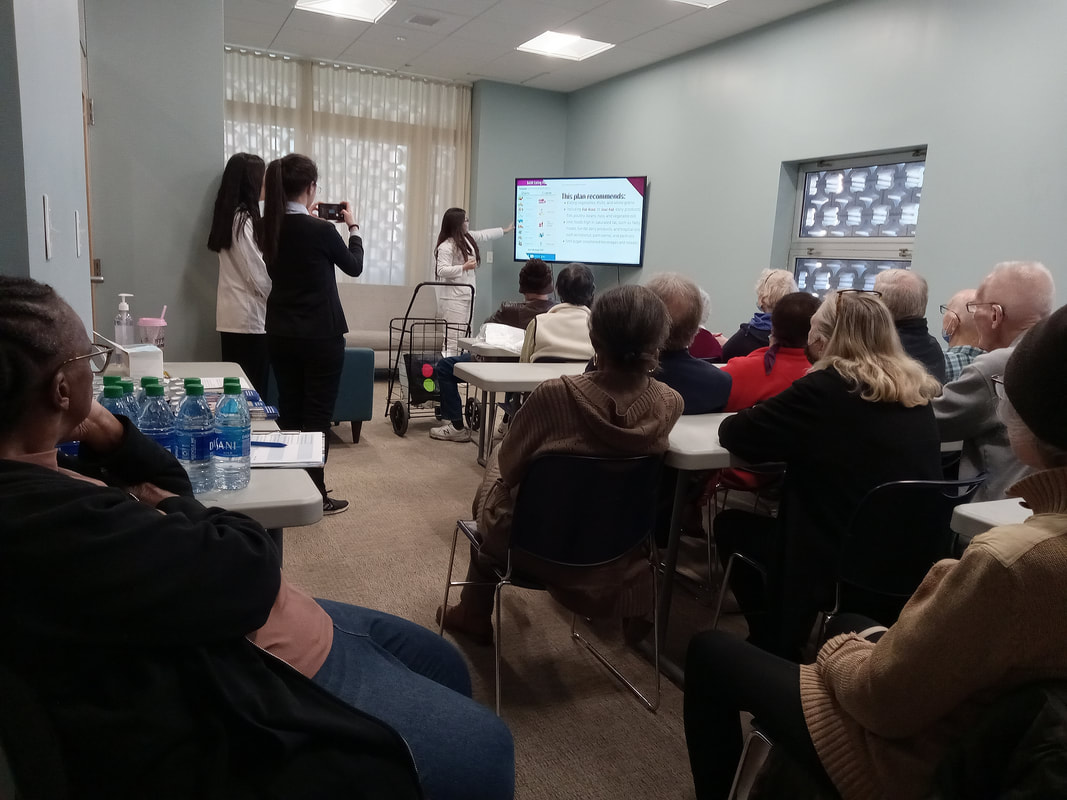
2. Supporting Mission Hill residents in preventing and managing chronic illness.
3. Having young adults (22-45) take leadership in promoting community health.